
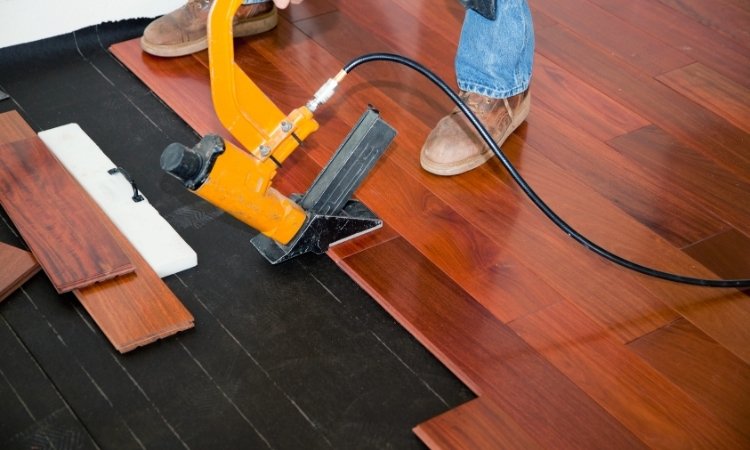
Do you want to install hardwood flooring in your Singapore home? If yes, then you’re making a timeless investment in both style and value. But before the elegant wood planks transform your space, it’s important to understand the process, challenges, and key considerations that are unique to Singapore’s climate and housing landscape.
As a homeowner who’s been through multiple renovation journeys in Singapore, I can tell you: installing hardwood flooring isn’t just about aesthetics, it’s about making practical, climate-conscious decisions too. Let’s walk through everything you need to know, from choosing the right materials to the nitty-gritty of installation.
Also, Home Maintenance Singapore provides furniture assembly & disassembly, flooring installation, and vinyl flooring services in Singapore. A simple guide for DIY enthusiasts to install hardwood flooring in Singapore.
Why Choose Hardwood Flooring in Singapore?
Before we dive into how to install hardwood flooring, let’s talk about the “why.”
Singapore’s tropical climate, with high humidity and temperatures hovering between 25°C to 31°C year-round, demands building materials that can adapt without warping or swelling. Hardwood, when properly treated and installed, handles moisture better than laminate or vinyl, especially when paired with the right underlayment and acclimatization process.
Additionally, HDB flats, condos, and landed properties all have different guidelines regarding flooring materials. Hardwood is commonly used in private condos and landed homes due to HDB’s guidelines restricting certain solid wood installations for noise insulation purposes.
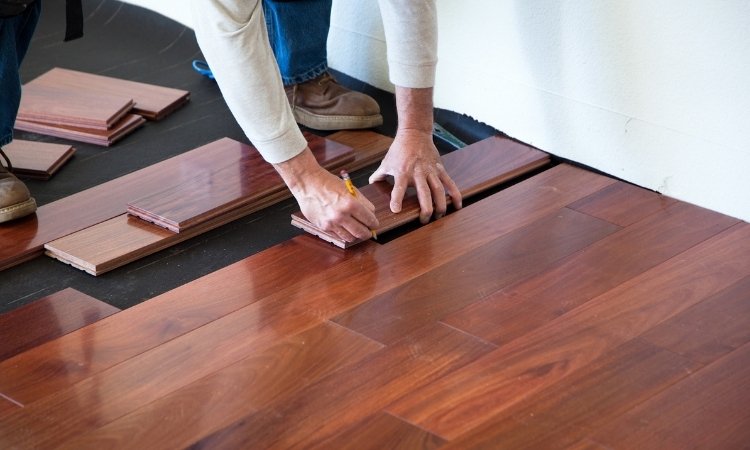
How to Install Hardwood Flooring in Singapore
1. Choose the Right Hardwood Type
Not all hardwoods perform the same in a tropical environment. Here are a few species popular in Singapore:
- Teak – Highly durable and naturally moisture-resistant.
- Oak – Strong and classic but requires a good sealant.
- Chengal – Local hardwood is dense and termite-resistant.
- Engineered hardwood – An alternative to solid hardwood for its better resistance to moisture and warping.
2. Prepare the Subfloor
Most Singaporean homes, especially in high-rise buildings, have concrete subfloors. Here’s how to prep:
- Ensure the surface is level and clean.
- Apply a moisture barrier (like a polyethylene sheet) to prevent rising dampness.
- Install plywood or an acoustic underlay if you’re in a condo or want extra insulation.
3. Acclimatize the Wood
This is one step many rush through, but in Singapore’s humid weather, it’s crucial. Leave your hardwood planks in the room where they’ll be installed for 5–7 days. Exposure to the room’s temperature and humidity during this period allows the wood to adapt so it won’t warp following installation.
4. Install the First Row
Depending on your choice of flooring system, here are common installation methods:
- Nail-down method (for solid hardwood on wood subfloors)
- Glue-down method (popular for engineered wood or directly onto concrete)
- Floating method (great for DIY, with click-and-lock systems)
Start along the longest wall, leaving a 10mm expansion gap to accommodate natural wood movement. Use spacers to keep this consistent.
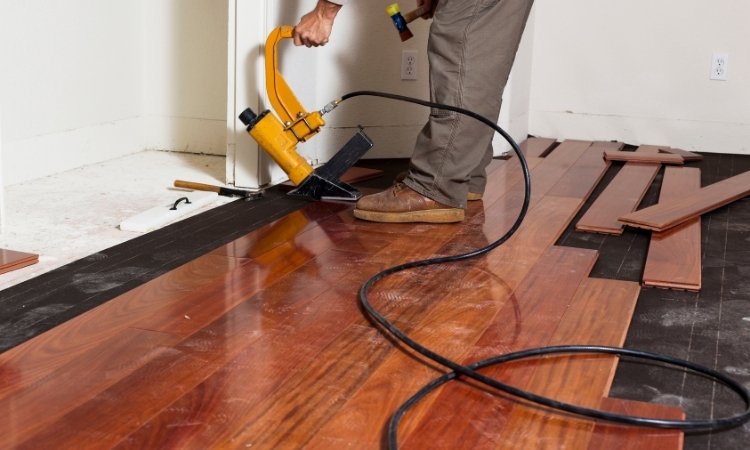
5. Continue Installing Hardwood Flooring
As you progress to install wood flooring:
- Stagger the joints for a more natural look.
- Cut end pieces to size using a mitre or table saw.
- Apply glue or nails, depending on your chosen method.
- Always check alignment with a spirit level or chalk line.
6. Finishing Touches
Once you install hardwood floors across the space:
- Remove spacers and install skirting boards or quarter-round molding.
- Clean the surface thoroughly using a wood-safe cleaner.
- Avoid heavy furniture or wet mopping for at least 48 hours to allow adhesives to cure (if the glue-down method was used).
Local Considerations for Hardwood Flooring Installation in Singapore
- Professional Installation vs DIY: If you’re living in a high-rise condo, professional installers are recommended due to building regulations and acoustic insulation requirements.
- NEA and SCDF Regulations: For landed properties undergoing a major renovation, you may need to notify or get permits depending on the scale of the flooring project.
- Termite Control: Singapore’s warm climate can attract termites, especially in older landed homes. Consider a pre-treatment or termite-resistant hardwood.
Maintenance Tips After Installing Hardwood Flooring
When maintaining your hardwood flooring installation in Singapore, you should follow these suggested best practices and guidelines:
- Use a dehumidifier during peak humidity months (typically Nov–Jan).
- Avoid dragging furniture across the floor.
- Reapply a protective finish every 3–5 years.
Conclusion
Learning the right techniques to properly install hardwood flooring leads to remarkable resilient flooring for any new condo or landed property transformation. Considering Singapore’s environmental conditions and regulations will enable you to choose timeless, beautiful wood flooring that resists climate change.
From selecting the right type of wood to preparing your space and following through with proper installation, every step matters when aiming for a polished finish.