
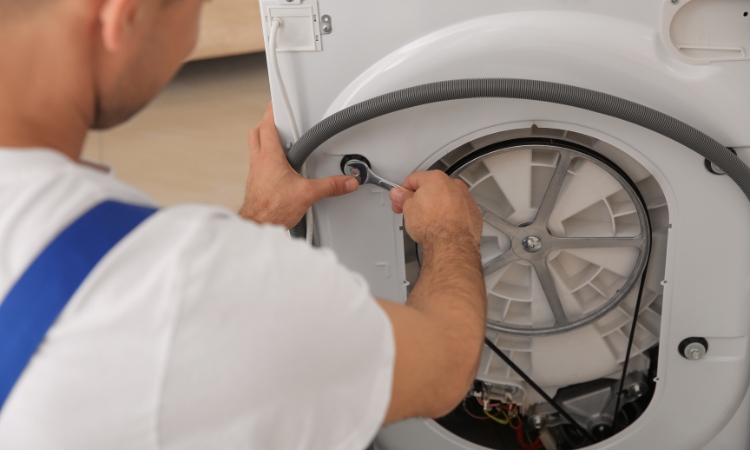
In today’s fast-paced environment, keeping equipment and home systems running smoothly is a priority for homeowners, property managers, and industrial operators alike. Unexpected equipment failure or unplanned downtime can disrupt daily life, lead to costly repairs, and shorten the lifespan of critical assets. Understanding the difference between preventive maintenance and predictive maintenance can save both time and money, whether you are managing an HDB flat, a condominium, or industrial equipment. This guide explores the key differences, real-world examples, cost considerations, and best use cases for each maintenance strategy, helping you make informed decisions for your property or facility in Singapore.
What is Preventive Maintenance?
Preventive maintenance is a scheduled approach to maintaining equipment, systems, or property assets before problems occur. The goal is to prevent wear and tear, reduce the likelihood of sudden breakdowns, and extend the lifespan of assets. This method relies on time-based or usage-based triggers, such as cleaning aircon filters every three months, inspecting water heaters biannually, or replacing worn-out electrical outlets in HDB flats on a fixed schedule.
In Singapore’s tropical climate, humidity and heavy rainfall can accelerate equipment wear and tear, particularly in air conditioning systems and plumbing. For instance, regular aircon servicing and filter cleaning not only prevent mold and bacteria growth but also improve indoor air quality and energy efficiency. Preventive maintenance also includes lubrication, part replacement, and system inspections, which are typically documented in a maintenance schedule or Computerized Maintenance Management System (CMMS).
Benefits of preventive maintenance include predictable maintenance costs, reduced emergency repairs, and compliance with safety standards. It is particularly effective for assets with low criticality or moderate replacement costs, such as household appliances, plumbing fixtures, and electrical outlets.
What is Predictive Maintenance (PdM)?
Predictive maintenance takes maintenance a step further by using real-time data, sensors, and Internet of Things (IoT) technologies to monitor the condition of assets and predict when maintenance is needed. Unlike preventive maintenance, which relies on schedules, predictive maintenance is condition-based, allowing interventions only when signs of wear or failure are detected.
Standard tools in predictive maintenance include vibration analysis, thermal imaging, and data analytics, which track metrics like motor temperature, electrical currents, or aircon compressor efficiency. Predictive algorithms and machine learning help identify patterns in the data, alerting maintenance teams before failures happen. In Singapore, predictive maintenance is beneficial for high-cost or critical assets, such as electrical panels, condominium HVAC systems, or water pumps in commercial buildings.
Benefits of predictive maintenance include reduced unplanned downtime, longer asset lifespan, improved maintenance efficiency, and higher return on investment (ROI) for critical assets. Predictive maintenance often requires a higher initial investment in sensors, monitoring devices, and trained personnel, but the long-term savings from avoided emergency repairs can be significant.
Key Differences Between Preventive and Predictive Maintenance
The following table highlights the main differences between preventive and predictive maintenance:
| Feature | Preventive Maintenance | Predictive Maintenance |
| Trigger/Scheduling | Time-based or usage-based | Condition-based via sensors and data |
| Approach | Routine inspections and scheduled replacements | Real-time monitoring and early detection of failures |
| Technology Required | Minimal; CMMS or manual logs | IoT sensors, vibration analysis, thermal imaging, data analytics |
| Upfront Investment | Low to moderate | High due to monitoring systems |
| Maintenance Frequency | Fixed intervals | Variable, based on asset condition |
| Downtime Impact | Planned downtime | Reduced unplanned downtime |
| Cost Implications | Predictable maintenance costs | Potentially higher upfront, lower emergency repair costs |
| Best Use Cases | Household appliances, low-criticality systems, plumbing | HVAC systems, electrical panels, and industrial machinery |
By understanding these distinctions, property owners and facility managers in Singapore can choose the right strategy for their assets or adopt a hybrid approach that combines preventive and predictive maintenance.
Costs, ROI, and Operational Impact
Understanding the financial and operational implications of preventive and predictive maintenance is critical for homeowners, property managers, and facility operators in Singapore. The right strategy can save on maintenance budgets, reduce unplanned downtime, and extend asset lifespan.
Preventive Maintenance Costs and ROI
Preventive maintenance is typically budget-friendly for most residential and small commercial properties. Costs include scheduled inspections, part replacements, cleaning, lubrication, and basic labor. For example, in an HDB flat, preventive maintenance could involve:
- Aircon servicing every three months
- Water heater inspections every six months
- Electrical outlet checks annually
These scheduled interventions minimize emergency repairs, prevent equipment damage, and keep utilities running efficiently. For example, regularly cleaning aircon filters not only avoids costly breakdowns but also improves indoor air quality, reducing health-related issues caused by mold and bacteria.
ROI for preventive maintenance is usually measured in terms of avoided costs and extended equipment life. While upfront costs are moderate, the benefit comes from predictable expenses and fewer emergency repairs. Homeowners can plan maintenance budgets, while facility managers can optimize resource allocation.
Predictive Maintenance Costs and ROI
Predictive maintenance requires a higher upfront investment in condition-monitoring technologies, sensors, IoT devices, and data analytics software. It also requires trained personnel to interpret real-time data and generate maintenance work orders.
For example, a condominium facility may use:
- Vibration sensors on elevators and pumps
- Thermal imaging for electrical panels
- IoT-enabled HVAC monitoring systems
While the initial costs are higher, predictive maintenance significantly reduces unplanned downtime, prevents catastrophic equipment failure, and extends the lifespan of critical or high-value assets. In industrial or large residential buildings, avoiding one major breakdown can offset the cost of predictive monitoring for years.
ROI considerations for predictive maintenance include:
- Reduced emergency repair costs
- Extended equipment life and deferred replacement expenses
- Improved operational efficiency and energy savings
- Lower labor hours spent on unnecessary inspections
Labor and Resource Requirements
| Maintenance Type | Labor Requirements | Skill Level Needed | Tools & Technology |
| Preventive Maintenance | Regular scheduled checks | Basic to intermediate | Manual logs, CMMS, standard inspection tools |
| Predictive Maintenance | Continuous monitoring and analysis | Advanced | IoT sensors, vibration analyzers, thermal cameras, predictive algorithms, CMMS |
Preventive maintenance often relies on routine checklists and can be performed by general maintenance teams or professional handyman services, making it suitable for HDB flats, landed properties, and condominiums.
Predictive maintenance requires trained personnel or licensed electrical/mechanical contractors capable of interpreting real-time equipment health data. This ensures that maintenance interventions occur only when necessary, optimizing resource allocation and reducing unnecessary labor costs.
Operational Impact and Downtime
Maintenance strategy directly affects equipment uptime and operational continuity.
Preventive Maintenance: Planned downtime during inspections or scheduled servicing. While predictable, this method may occasionally lead to unnecessary maintenance if assets are still in good condition.
Predictive Maintenance: Reduces unplanned downtime by servicing equipment based on real-time condition thresholds. This approach is ideal for critical systems such as water pumps, electrical panels, and HVAC units in Singapore properties where continuous operation is essential.
Both strategies aim to minimize disruptions, but predictive maintenance is especially valuable for high-risk or expensive equipment, offering better operational reliability over time.
Real-World Examples in Singapore
HDB Flats and Condominiums:
-
- Preventive: Aircon servicing and filter cleaning every three months, checking electrical outlets annually.
- Predictive: Using IoT sensors to monitor HVAC compressor performance, detecting anomalies before breakdowns.
- Preventive: Aircon servicing and filter cleaning every three months, checking electrical outlets annually.
Industrial Facilities:
-
- Preventive: Scheduled lubrication, part replacement, and routine inspections.
- Predictive: Vibration analysis on critical machinery, thermal imaging of electrical panels, and machine learning algorithms predicting equipment failure.
- Preventive: Scheduled lubrication, part replacement, and routine inspections.
Commercial Buildings:
-
- Preventive: Regular plumbing and electrical inspections.
- Predictive: Continuous energy monitoring and predictive alerts for escalators, elevators, and cooling systems.
- Preventive: Regular plumbing and electrical inspections.
Implementation Best Practices and Hybrid Maintenance Strategies
Implementing an effective maintenance program requires planning, monitoring, and the right combination of preventive and predictive techniques. Singapore homeowners, property managers, and facility operators can benefit from a hybrid approach that balances cost efficiency with reliability.
Implementing Preventive Maintenance Programs
A successful preventive maintenance program begins with planning and scheduling. Homeowners and property managers should:
- Follow manufacturer guidelines for appliances, water heaters, and electrical systems.
- Create a maintenance calendar for recurring tasks like aircon servicing, electrical outlet checks, and plumbing inspections.
- Use maintenance logs to track completed tasks and upcoming schedules.
Professional handyman services like PS Home Maintenance can assist with scheduled maintenance tasks, ensuring that HDB flats, condominiums, and landed properties comply with safety standards while extending equipment life. Regular inspections also help detect mold, bacteria, or wear and tear before they escalate into costly repairs.
Implementing Predictive Maintenance Programs
Predictive maintenance requires condition monitoring and real-time data analysis. For Singapore properties, implementation steps include:
- Install sensors on critical systems, such as HVAC units, electrical panels, and water pumps.
- Integrate IoT devices with CMMS software to continuously monitor equipment health.
- Set threshold alerts for abnormal vibrations, temperature spikes, or energy usage.
- Train maintenance teams or engage licensed contractors to interpret predictive analytics and schedule targeted interventions.
By addressing potential failures before they occur, predictive maintenance minimizes unplanned downtime and reduces the likelihood of costly repairs. Critical assets, such as elevators, water heaters, and air-conditioning compressors in condominiums, benefit the most from predictive strategies.
FAQs
What is the main difference between preventive and predictive maintenance?
Preventive maintenance schedules tasks at regular intervals, regardless of equipment condition, to reduce wear and tear. Predictive maintenance monitors real-time equipment data using sensors and analytics, performing maintenance only when signs of potential failure appear.
How much does predictive maintenance cost compared to preventive maintenance?
Predictive maintenance has higher upfront costs due to sensors, IoT integration, and software analytics. Preventive maintenance costs are lower but recurring, covering scheduled inspections, part replacements, and labor. Over time, predictive maintenance can reduce unplanned downtime, saving money on emergency repairs.
Can I implement both preventive and predictive maintenance in my home?
Yes, a hybrid strategy works best for most Singapore homeowners. Routine preventive checks can cover common appliances like air conditioning units and water heaters, while predictive monitoring targets critical assets to prevent unexpected failures.
Do I need professional services for predictive maintenance?
Engaging licensed electrical workers, HVAC technicians, or maintenance contractors is recommended for predictive maintenance. They can install sensors, integrate CMMS software, interpret data, and safely handle preventive and emergency tasks.
How often should I perform preventive maintenance on home equipment?
It depends on the asset. Air conditioning units may require servicing every 3–6 months, water heaters annually, and electrical inspections every 1–2 years. Using a maintenance checklist and logging tasks ensures nothing is overlooked.
Final Thoughts for Singapore Homeowners
Understanding the difference between preventive and predictive maintenance empowers homeowners to make informed decisions about equipment care. By combining preventive routines with predictive insights, you can:
- Extend the lifespan of appliances and systems
- Reduce unplanned downtime and emergency repair costs.
- Improve safety and energy efficiency.
- Maximize return on maintenance investment.
Professional maintenance services, such as PS Home Maintenance, can help homeowners implement these strategies effectively, ensuring that HDB flats, condominiums, and landed properties in Singapore remain safe, functional, and cost-efficient.