
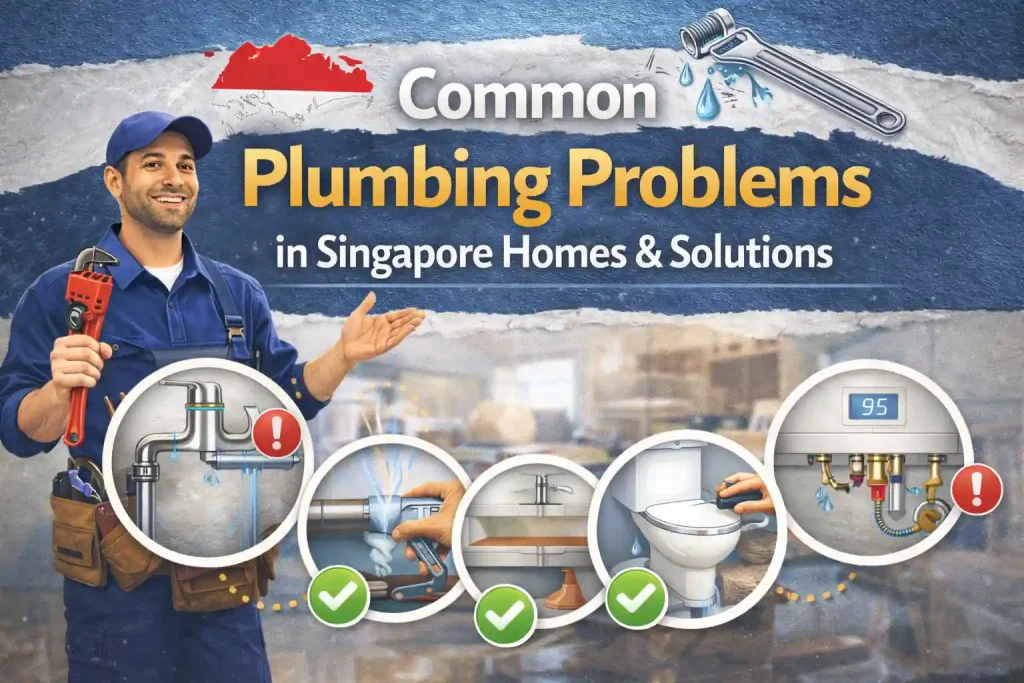
Plumbing issues are something every homeowner in Singapore will face at some point. Whether it’s a leaky tap, clogged drains, or problems with your water heater, these issues can cause frustration, damage, and increased costs if left unchecked. As a homeowner, understanding the common plumbing problems in Singapore homes and how to fix them can save you time, money, and hassle. This guide will walk you through the most common plumbing issues, their causes, and practical solutions.
Common Plumbing Problems in Singapore Homes
The top plumbing issues that homeowners often face in Singapore, from leaking taps to clogged drains and water heater issues. We’ll explore their causes and provide you with effective solutions to fix them.
1. Leaking Taps and Pipes
Leaking taps and pipes are among the most common plumbing problems in Singapore homes. A dripping faucet or a leaking pipe can seem like a minor inconvenience at first, but if left untreated, these issues can lead to water wastage, higher water bills, and potential water damage to your property.
Causes of Leaking Taps and Pipes
Leaking taps are usually caused by worn-out washers or seals. Over time, rubber washers lose their elasticity and can’t provide a tight seal, leading to water leakage. Similarly, leaking pipes are often caused by corrosion, improper installation, or the natural wear and tear of old pipes.
Risks of Leaking Taps and Pipes
The primary risk of leaking taps and pipes is water wastage, which can add up on your water bill. Additionally, persistent leaks can cause water damage to walls, ceilings, and floors, leading to mold growth and structural issues.
How to Fix Leaking Taps and Pipes
Fixing a leaking tap often involves replacing the washer or seal, which can be done with basic tools. For leaking pipes, professional repair may be required, especially if the pipes are old and need replacement. Regular inspections and maintenance of your plumbing system can prevent leaks before they become a major issue.
2. Clogged Drains and Sink Chokes
Clogged drains are one of the most frustrating plumbing issues, especially in the kitchen and bathroom. Over time, food debris, hair, grease, and soap scum can accumulate in pipes, blocking water flow and causing slow drainage. If left unchecked, clogged drains can lead to unpleasant odors and potential water damage.
Causes of Clogged Drains
The most common causes of clogged drains in Singapore are food particles, grease, soap scum, and hair buildup. In bathrooms, hair is often the main culprit, while in kitchens, grease and food scraps are the primary offenders.
Risks of Clogged Drains
If clogged drains are not dealt with, they can lead to water backup, causing spills that may damage floors and fixtures. Additionally, standing water can create a breeding ground for bacteria and mold, which can affect indoor air quality and hygiene.
How to Fix Clogged Drains
For minor clogs, a plunger or drain snake can often clear the blockage. Pouring a mixture of baking soda and vinegar down the drain, followed by hot water, can also help break down grease and other buildups. For more severe blockages, it’s advisable to call a professional plumber to inspect and clear the pipes.
3. Water Heater Issues: Causes and Quick Solutions
Water heater issues are common, especially in older homes or buildings. Problems with your water heater can range from no hot water to inconsistent temperatures, or even strange noises coming from the unit. Understanding the causes of these problems can help you find effective solutions.
Causes of Water Heater Problems
The most common causes of water heater issues include sediment buildup in the tank, faulty thermostats, and electrical problems. Sediment buildup occurs over time as minerals in the water settle at the bottom of the tank, reducing the heater’s efficiency. Faulty thermostats can cause temperature inconsistencies, while electrical issues may prevent the heater from turning on at all.
Risks of Water Heater Issues
The risks of water heater problems include inconsistent hot water, increased energy costs, and potential leaks if the unit malfunctions. In extreme cases, the heater may break down completely, requiring costly repairs or replacement.
How to Fix Water Heater Issues
Regular maintenance, such as flushing the water heater to remove sediment buildup, can prevent many issues. If you experience inconsistent temperatures, consider replacing the thermostat. For more serious electrical or mechanical issues, it’s best to consult a professional plumber to inspect and repair the heater.
4. Toilet Bowl Problems: Common Issues and How to Solve Them
Toilet problems are inconvenient and can quickly disrupt your daily routine. From clogged toilets to running bowls, many common toilet issues can be fixed with a bit of knowledge and the right tools.
Common Toilet Bowl Problems
- Clogged Toilets: Toilets can become clogged due to excess toilet paper, non-flushable items, or a faulty plumbing system.
- Running Toilets: This issue occurs when the flapper valve doesn’t close properly, causing water to continuously flow into the bowl.
- Leaking Toilets: Leaks around the base of the toilet can be caused by worn-out seals or cracks in the toilet itself.
How to Fix Toilet Problems
- Clogs: For minor clogs, use a plunger to dislodge the blockage. If the problem persists, a drain snake can be used to clear deeper blockages.
- Running Toilets: Check the flapper valve and replace it if necessary. You may also need to adjust the float valve to ensure the toilet stops running once the tank is full.
- Leaking Toilets: Tighten the bolts around the toilet base or replace the wax seal to prevent water from leaking.
5. Low Water Pressure: Causes and Solutions
Low water pressure is a frustrating issue that can affect daily activities like showering, washing dishes, and cleaning. In Singapore, this problem is often caused by clogged pipes, faulty pressure regulators, or issues with the municipal water supply.
Causes of Low Water Pressure
Common causes of low water pressure include sediment buildup in pipes, faulty pressure regulators, or leaks in the plumbing system. In some cases, the water pressure may be low because of issues with the water supply in the area.
How to Fix Low Water Pressure
Start by checking the aerators in your faucets and showerheads for any blockages. Cleaning or replacing them can improve the water flow. If you have a pressure regulator, check if it’s functioning properly. For deeper issues, such as leaks or pipe blockages, it’s best to call a professional plumber to inspect your system.
Plumbing Maintenance Tips for Singapore Homes
In addition to fixing common plumbing issues, regular maintenance is key to preventing these problems from occurring in the first place. By adopting a few simple habits and taking proactive measures, homeowners in Singapore can extend the life of their plumbing systems, reduce the need for repairs, and avoid costly emergencies.
Regular Plumbing Inspections
One of the best ways to keep your plumbing system in good condition is by scheduling regular inspections. Even if everything appears to be functioning well, hidden issues can still exist, such as slow leaks or developing blockages. By having a professional plumber inspect your system annually, you can catch small problems early before they become larger, more expensive issues.
What to Check During Inspections:
- Leaks: Inspect pipes, faucets, and toilets for any signs of leaks. Even small leaks can cause water damage and increase your water bills.
- Water Heater: Ensure that your water heater is functioning properly, with no signs of rust or corrosion. Sediment buildup can affect efficiency, so it’s important to flush your water heater periodically.
- Pressure Regulators: Check that your water pressure regulator is functioning correctly to avoid problems with low or fluctuating water pressure.
Regular inspections help you stay ahead of potential plumbing problems and maintain a healthy plumbing system.
Preventing Clogged Drains
Clogged drains are a common issue in Singapore homes, and they are often caused by improper disposal of waste or debris. While some clogs are unavoidable, there are several measures you can take to prevent them from becoming a recurring problem.
Preventive Tips for Drain Health:
- Avoid Grease and Oil: Never pour grease, oil, or fat down the drain. These substances solidify in the pipes and can cause serious blockages.
- Use Drain Screens: Install drain screens in your kitchen, bathroom, and laundry sinks to catch hair, food particles, and soap scum before they enter the pipes.
- Regular Cleaning: Use natural drain cleaners, such as a mixture of baking soda and vinegar, followed by hot water, to keep your drains clear. For more stubborn clogs, consider hiring a professional plumber for drain cleaning services.
By following these simple practices, you can keep your drains running smoothly and avoid the inconvenience of frequent blockages.
Fixing Leaky Faucets and Pipes Quickly
A leaky faucet or pipe may seem like a minor issue, but if left unresolved, it can lead to water wastage, higher water bills, and even water damage. Fixing these issues promptly will save you money in the long run and prevent further damage to your plumbing system.
Steps to Take When You Notice a Leak:
- Turn off the Water Supply: If a pipe is leaking heavily, turn off the main water supply to prevent flooding or water damage.
- Replace Worn-out Washers: Leaky taps are often caused by worn-out washers. Replacing these simple components can resolve the issue.
- Use Sealants for Minor Pipe Leaks: If a pipe has a small crack or leak, you can temporarily seal it with waterproof tape or a pipe repair kit until you can get it professionally fixed.
Taking care of small leaks early can prevent costly repairs down the road and keep your water bill under control.
Flushing Your Water Heater
Over time, sediment buildup inside your water heater tank can reduce its efficiency and lead to potential malfunctions. Regularly flushing your water heater to remove sediment will not only improve its performance but also extend its lifespan.
How to Flush Your Water Heater:
- Turn off the Heater: Switch off your water heater and wait for it to cool down before starting the process.
- Turn Off the Water Supply: Shut off the cold water valve to the heater to prevent more water from entering the tank.
- Drain the Tank: Connect a hose to the drain valve at the bottom of the tank and direct it to a floor drain or outside. Open the valve and let the water flow until it’s clear of sediment.
- Refill the Tank: Once the tank is drained, close the valve and refill the heater with water. Turn the water supply and heater back on.
Flushing your water heater once every 6-12 months can prevent sediment buildup and improve its efficiency.
Be Mindful of What You Flush and Pour Down the Drain
Another simple but effective way to prevent plumbing problems is by being mindful of what you dispose of down the drains and toilets. Certain items should never be flushed or poured down the sink, as they can cause serious blockages or damage to your pipes.
Items to Avoid:
- Wet Wipes and Paper Towels: Despite being labeled as “flushable,” these items can clog your pipes and should be disposed of in the trash.
- Grease and Oils: These substances can solidify in your pipes, leading to serious clogs.
- Hair: In bathrooms, hair can easily build up in drains and cause blockages, so always use a drain cover or hair catcher.
Educating your family members about proper waste disposal and maintaining good habits can reduce the likelihood of plumbing issues in the future.
When to Call a Professional Plumber
While many plumbing problems can be fixed with DIY solutions, there are instances when it’s best to call in a professional plumber. Calling an expert ensures that the issue is handled correctly and safely, and it helps avoid further damage to your plumbing system.
Major Plumbing Problems That Require a Professional
Some plumbing issues are too complicated for a DIY fix and require professional expertise. These include:
- Pipe Bursts: If a pipe bursts, it’s crucial to turn off the main water supply immediately and call a plumber to fix the issue. A burst pipe can cause significant flooding and water damage.
- Sewer Line Issues: Sewer line blockages or breaks can cause wastewater backups and unpleasant odors in your home. These problems require specialized equipment and skills to fix.
- Major Water Heater Malfunctions: If your water heater is not working or is leaking, it’s best to have it inspected and repaired by a professional to prevent further damage or dangerous situations.
Emergency Plumbing Services in Singapore
Emergencies don’t always happen at convenient times, and having access to 24/7 emergency plumbing services is crucial. Whether it’s a clogged drain during a family event or a burst pipe in the middle of the night, reliable plumbers can quickly respond to urgent situations and fix problems before they escalate. Having a trusted plumbing service on hand ensures that your home remains safe and functional at all times.
At PS Home Maintenance, we offer expert plumbing services for both routine maintenance and emergency repairs. Our professional plumbers are available 24/7 to assist with any plumbing needs, ensuring peace of mind for homeowners in Singapore.
Conclusion: Keeping Your Plumbing System in Top Shape
Plumbing issues are a part of homeownership, but with the right knowledge and maintenance, you can prevent many common problems from arising. Regular inspections, mindful usage, and proactive maintenance can ensure that your plumbing system continues to function smoothly for years to come. When you do encounter problems, timely action can prevent costly damage and repair bills.
For professional help with plumbing problems in Singapore, don’t hesitate to contact PS Home Maintenance. Our expert team is here to handle everything from minor fixes to major repairs, ensuring your home’s plumbing system stays in excellent condition.
Frequently Asked Questions
What Are the Most Common Plumbing Problems in Singapore Homes?
The most common plumbing issues include leaking taps, clogged drains, water heater malfunctions, toilet problems, and low water pressure.
How Can I Prevent Plumbing Problems in My Singapore Home?
Regular inspections, proper waste disposal, and maintaining good habits such as cleaning drains and flushing water heaters can help prevent plumbing problems.
When Should I Call a Professional Plumber?
You should call a professional plumber for major issues such as pipe bursts, sewer line blockages, or extensive water heater malfunctions. For smaller issues, such as clogged drains or leaking faucets, a handyman may suffice.
How Much Do Plumbing Repairs Cost in Singapore?
The cost of plumbing repairs in Singapore depends on the nature and complexity of the issue. Minor repairs may cost between SGD 30 to SGD 80 per hour, while more complex issues may require a fixed quote.
Are Emergency Plumbing Services Available in Singapore?
Yes, many plumbing services in Singapore offer emergency repair services, ensuring that urgent plumbing issues are addressed quickly and efficiently.