
Have you ever had a problem with a stuck door or one that swings open or simply does not shut properly in your Singapore house? And here you are, looking to shim a door. The following guide will teach you step-by-step how to shim a door. It is a minor adjustment with a huge impact.
Many homeowners in Singapore face door issues due to humidity or settling buildings. Shimming helps align the door frame properly. We’ll cover everything from basics to tips tailored for local conditions. Also, PS Home Maintenance Singapore is an expert in wooden doors, door latch replacement, and door closer replacement services in Singapore.
What is a Shim?
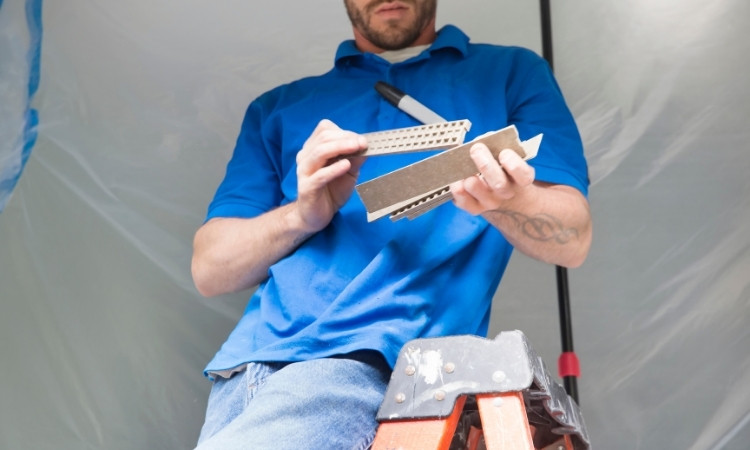
Let’s start with the basics. A shim is a thin, tapered piece of material. It’s often made from wood, plastic, or composite. People use shims to fill small gaps and make things level. In door work, a shim goes between the door frame and the wall. This adjusts the position slightly. Without shims, doors can sag or rub against the frame. Shims are cheap and easy to find. They come in packs at hardware stores.
Why do we need them? Homes shift over time. In Singapore, high humidity can make wood swell. Earthquakes or nearby construction can also cause frames to move. A shim fixes these minor problems. It’s like a wedge that holds everything steady. Door shimming is a common DIY task. It doesn’t require fancy skills. Just patience and the right tools.
Why Shim a Door?
Doors misalign for many reasons. Maybe the hinges are loose. Or the frame twisted during installation. In Singapore, HDB flats and condos often have standard doors. These can warp in the tropical climate. Shimming straightens things out. It prevents rubbing, which damages paint or wood. A well-shimmed door closes smoothly. It also improves security and energy efficiency. No more drafts sneaking in.
Shim a door when you notice gaps. Or if the latch doesn’t catch. It’s better than replacing the whole door. This saves money. Professional services in Singapore cost $50 to $200. Doing it yourself is free, except for materials. Door shimming works for interior and exterior doors. Even metal or fire-rated doors in HDBs can benefit.
Tools and Materials Needed
Before you start, gather these items:
- Shims: Wood or plastic, available at Horme Hardware or Home-Fix for about $5 a pack.
- Hammer: To tap shims into place.
- Utility knife: For trimming excess shim.
- Level: Bubble or laser to check alignment.
- Screwdriver: For hinge screws.
- Wood screws: To secure the frame.
- Pry bar: For gentle frame adjustments.
- Safety glasses: To protect your eyes.
- Sandpaper: To smooth cut edges.
- Door wedge: To hold the door open.
In Singapore, shop at Ban Soon Hardware or Lazada. Cedar shims resist moisture. Plastic shims are better for outdoor doors because they don’t rot. For eco-friendly options, try recycled plastic shims at Selffix DIY.
How to Shim a Door: Step-by-Step Guide
Ready to shim a door? Follow these steps. They’re simple and take about 30–60 minutes.
1. Inspect the Door
Open and close the door. See where it sticks or rubs. Check if hinges are loose. Use a level to check if the frame is plumb (straight up and down) and level (straight across).
2. Prepare the Area
Remove trim if needed, but most fixes don’t require this. Prop the door open with a wedge. This reduces pressure on the frame.
3. Shim the Hinges (for Sagging Doors)
If the door sags, focus on the hinges. Start with the top hinge. Unscrew it from the frame. Cut a shim to fit behind it. Cardboard works for small gaps, but wood is sturdier. Slide the shim in to push the hinge out slightly. Re-screw the hinge. Test the door. Repeat for other hinges if needed.
4. Shim the Frame (for New Installs or Major Adjustments)
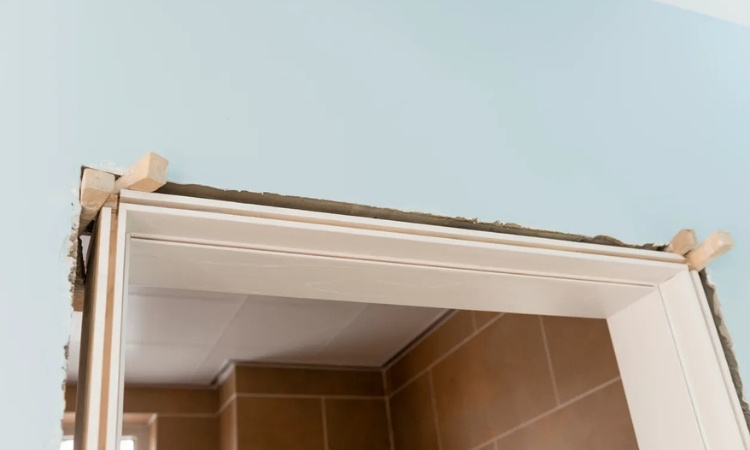
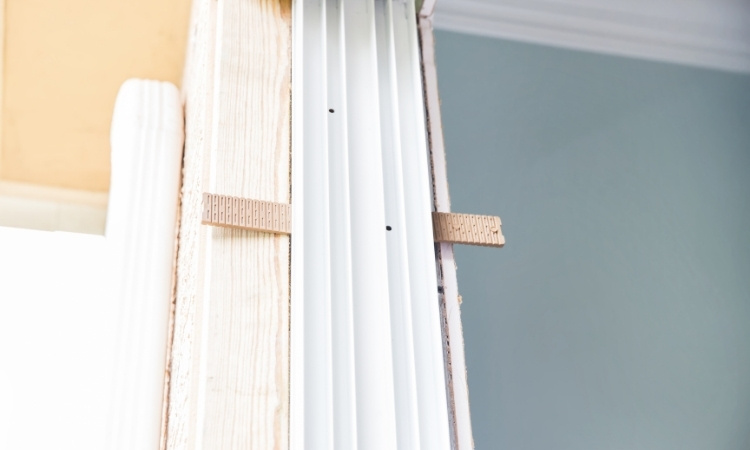
For full-frame shimming, place the door in the opening. Insert pairs of shims (one from each side) to keep the frame straight. Start at the top, then the hinge side, then the bottom. Check with your level often. Tap shims gently with the hammer. Don’t force them, as it can bend the frame.
5. Secure and Trim
Drive screws or nails through the shims every 30cm. In Singapore, follow BCA guidelines for secure fittings, especially for fire-rated doors. Trim excess shim with a utility knife. Score and snap carefully. Sand edges smooth.
6. Test and Adjust
Open and close the door several times. If it still rubs, add or adjust shims. Sometimes, shimming the strike side (opposite hinges) helps even gaps.
For pre-hung doors, shim under the sill if the floor is uneven. In HDB flats, floors are usually flat. Older landed homes may need sill shims.
Tips for Shim a Door in Singapore
Singapore’s weather conditions, plus strict regulations, present different challenges:
- Humidity: Wood shims absorb moisture, which makes them swell. Substitute it with composite or plastic shims. You can find them at Selffix or online.
- BCA Rules: Ensure shimming doesn’t affect fire safety for HDB main doors. The door must seal properly.
- Local Shopping: Buy shims at Mustafa Centre or Ban Soon Hardware. Prices start at $5.
- Eco-Friendly: Recycled plastic shims are available at green hardware stores.
- Small Spaces: HDB rooms are compact, so you can shim alone. For heavy doors, get a helper.
- Timing: Shim during dry months. Monsoon season adds moisture, affecting wood.
- Termites: Wood shims attract termites. Use treated wood or metal shims for durability.
If shimming fails, contact pros. They fix doors affordably across Singapore.
Conclusion
Learning to shim a door is a practical skill for any Singapore homeowner. This guide covered what a shim is, how to shim a door, and tips for local challenges. With the right tools and patience, you can fix sticking or misaligned doors. Shimming saves money and keeps your home comfortable. When your door starts playing up again, put some shims to creative use.